
Which Electric Bikes Are Easier to Control? Is It Safe? Does It Damage the Bike? In youth riding culture, doing a wheelie is often seen as a sign of control and skill. Whether in street riding communities, on social media, or in everyday riding discussions, the term wheelie electric bike comes up frequently. But before trying it, most riders ask:
- Can an electric bike actually do a wheelie?
- Will it damage the motor or battery?
- Is every e-bike suitable for wheelies?
- What kind of bike geometry makes it easier to control?
- What price range are these bikes typically in?
This guide explains wheelies from a structural and physics perspective — not as a how-to tutorial.
What Is a Wheelie on an Electric Bike?

A wheelie is when the front wheel briefly lifts off the ground during riding, controlled by power input and weight distribution. Compared to traditional bicycles, electric bikes generate motor-assisted acceleration, which can make wheelies easier on certain models. However, “easier” does not mean “safer.” The key factors include:
- Center of gravity
- Frame geometry
- Power delivery curve
- Wheelbase and overall length
At its core, doing a wheelie is about balance and understanding how the bike’s structure behaves.
Why Are Some Electric Bikes Easier to Control for Wheelies?
The ability to control a wheelie isn’t determined by raw motor power alone — it’s a combination of structural factors.
-
Center of Gravity
Battery and motor placement affect overall balance. A slightly rear-biased center of gravity makes front-wheel lift easier.
-
Frame Length (Wheelbase)
Shorter wheelbases feel more agile but require greater balance control. Longer wheelbases are more stable but require more force to lift.
-
Power Delivery
Throttle-equipped models often provide more immediate acceleration than pedal assist. However, smooth power delivery is more important than aggressive output. Here’s a simplified comparison:
| Factor | Easier to Lift | More Stable but Harder to Lift |
| Wheelbase | Short | Long |
| Center of Gravity | Slightly Rear-Biased | Centered |
| Power Response | Quick | Smooth and Progressive |
The “best electric bike for wheelies” is not the one with the most power — it’s the one with balanced geometry and controllable output.
Can Doing Wheelies Damage the Motor or Battery?
This is a very common concern. Technically, occasional wheelies are unlikely to immediately damage the motor or battery. However, repeated behavior such as:
- Sustained high-power bursts
- Continuous high current draw
- Frequent hard acceleration
can increase stress on the system. Electric bikes are designed for sustained, smooth output — not repeated explosive loads. Long-term high-stress use may impact:
- Motor temperature
- Battery lifespan
- Drivetrain wear
This is why structural strength and thermal management matter.
How Does Frame Design Affect Balance and Safety?
Wheelies are not just about power — they involve safety margins. Structural factors that influence control include:
- Frame rigidity
- Weld quality and reinforcement
- Fork stiffness
- Brake responsiveness
The main safety risks include:
- Losing balance
- Over-rotating backward
- Hard landings
Electric bikes are typically heavier than traditional bicycles, meaning loss of control can result in greater impact. Not every electric bicycle is designed for high-intensity control maneuvers.
Is Every Electric Bike Suitable for Wheelies?
No. Bikes that are generally better suited for controlled wheelies often have:
- A stable but not overly long wheelbase
- Balanced weight distribution
- Strong but manageable power delivery
- Wide tires for improved traction and landing cushioning
Less suitable setups include:
- Extremely long frames
- Excessively front-heavy weight distribution
- Sluggish power response
- Weak braking systems
Performing wheelies places higher structural demands on a bike than standard riding.
What Price Range Do Wheelie-Friendly Electric Bikes Fall Into?
In the U.S. market, bikes that offer geometry and structure better suited for controlled riding typically fall into these ranges:
| Price Range | Structural Characteristics |
| $1,000–$1,500 | Basic power + stable wide tires |
| $1,500–$2,000 | More refined frame geometry + smoother power curve |
| $2,000+ | Increased frame rigidity + upgraded control systems |
It’s important to understand: Price differences reflect frame strength, power management systems, and braking capability — not a “wheelie feature.” There is no electric bike specifically built just for wheelies. However, certain structural setups make control easier. If you’re on a tighter budget, basic geometry may still allow practice. If you want greater safety margins and long-term durability, investing in stronger structural tiers makes sense.
Macfox’s Approach to Structural Stability
Within Macfox’s design philosophy, balance and controllability are core priorities.
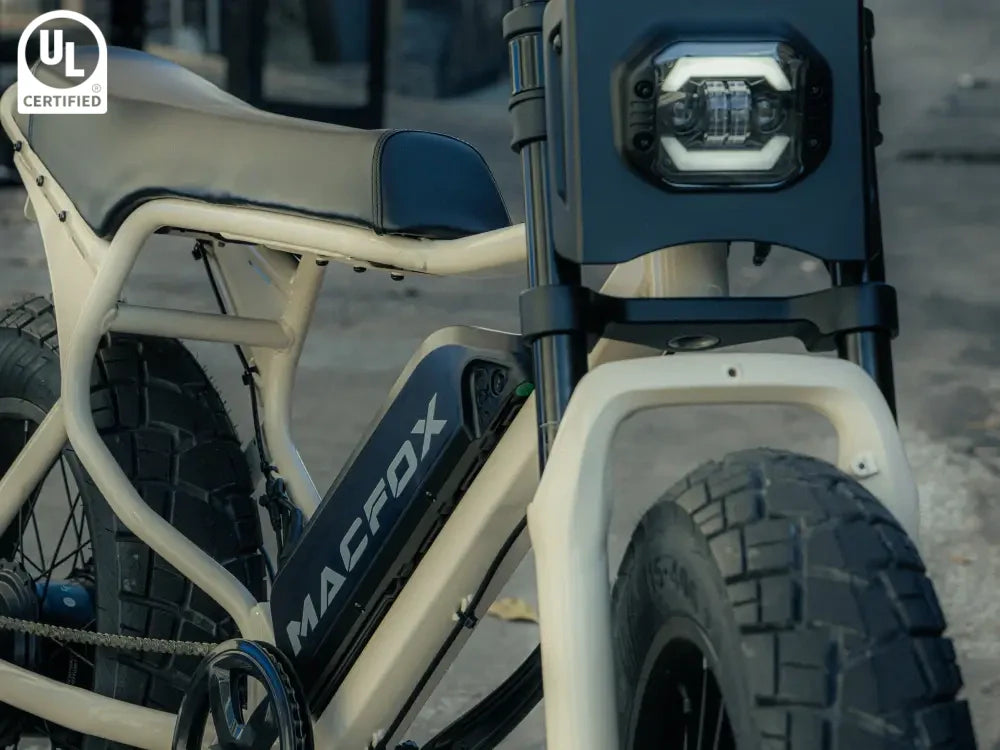
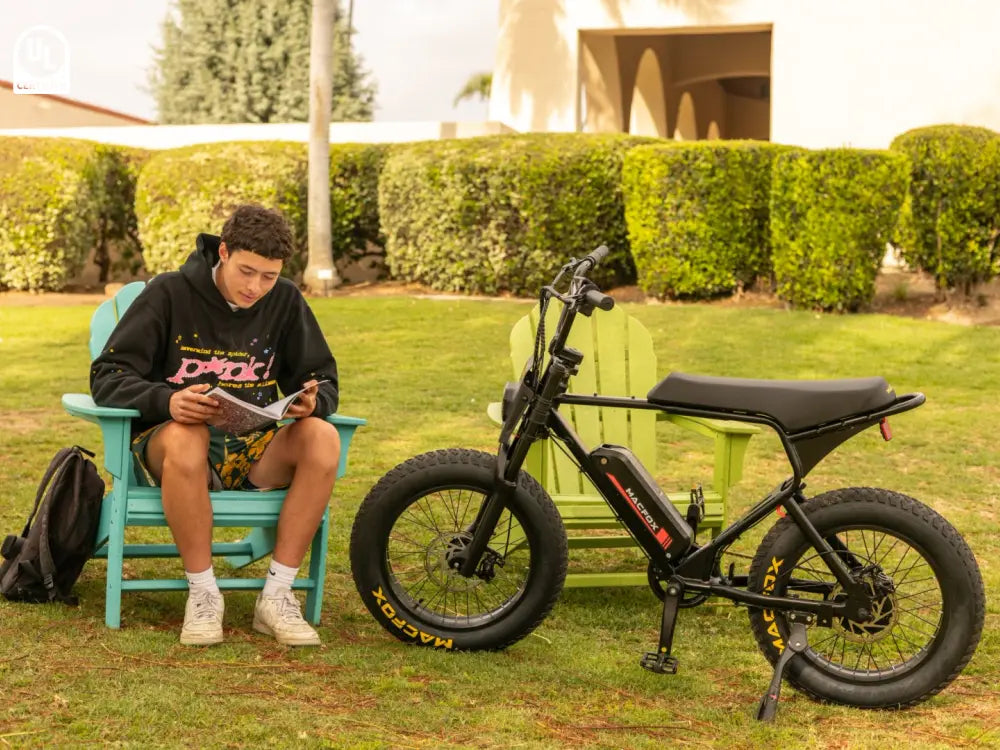
Macfox X1S
Balanced frame structure with wide tires for enhanced traction. Direct but controlled power delivery. Suitable for riders interested in street riding culture while maintaining stability.
Macfox X7
Emphasizes overall stability and extended range. Upgraded frame rigidity improves structural durability. Maintains control while favoring long-term riding stability. It’s important to emphasize that any advanced riding maneuver should be performed in a safe and legal environment. Electric bikes are fundamentally designed for stability and safety.
Final Thoughts: Wheelies Are About Structure, Not Just Power
Doing a wheelie isn’t just about having a powerful motor. It’s about:
- Weight distribution
- Wheelbase
- Power curve
- Structural stability
For younger riders especially, understanding geometry matters more than chasing high wattage. Choosing a well-balanced, controllable electric bike is the real balance between safety and performance.